 Free shipping for all U.S. orders over $100

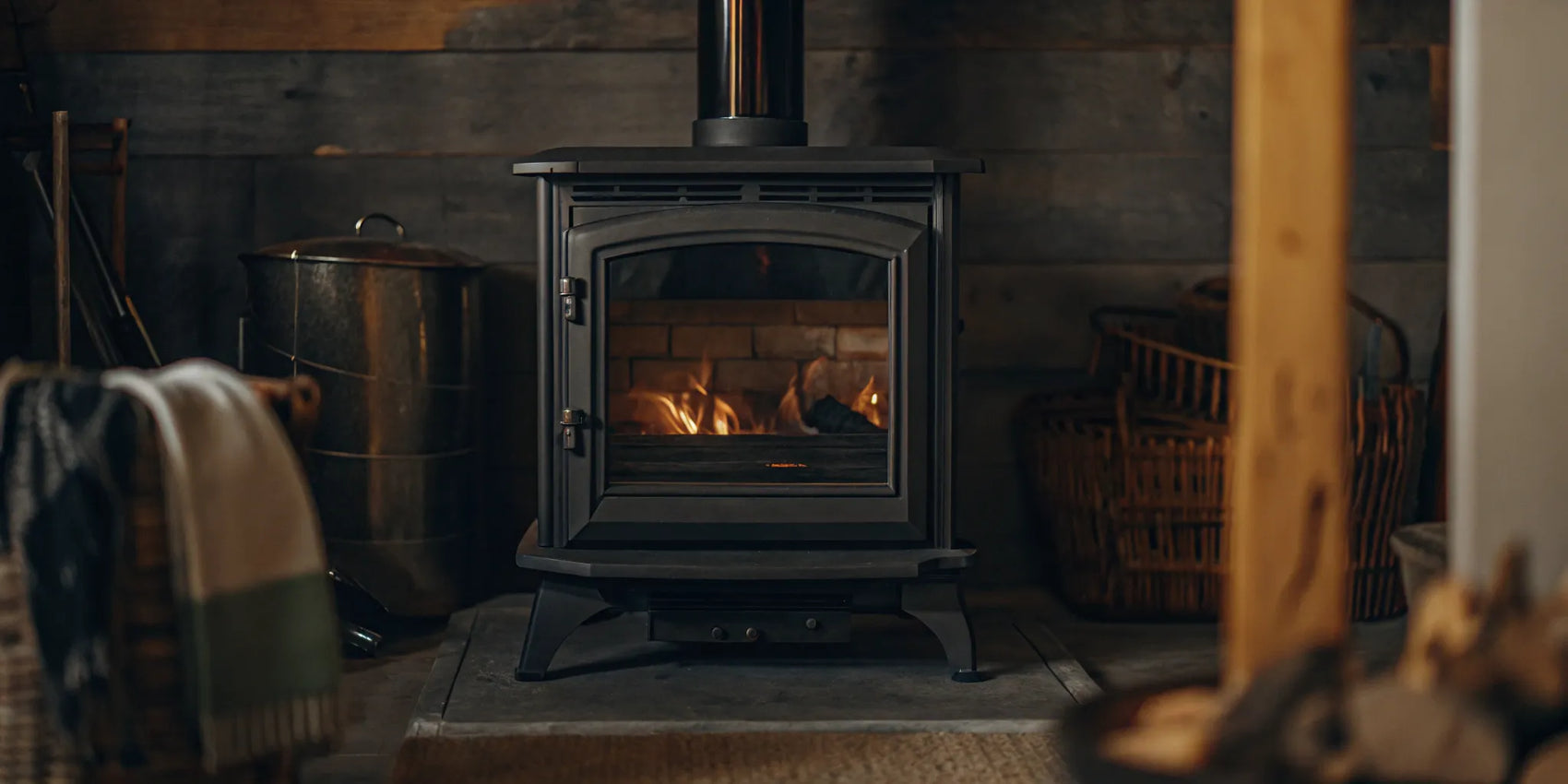
Your wood stove is blazing, but the far corners of the room are still cold. Sound familiar? The problem isn't your fire; it's how the heat moves through your space. That cozy, room-filling warmth you're missing comes from one hardworking part: the wood stove blower motor. It’s the key to circulating heat effectively. This guide is your complete resource for understanding, troubleshooting, and replacing this essential component, so you can finally enjoy warmth in every corner.
Key Takeaways
- Prioritize the Right Specs for a Perfect Fit: Before buying, confirm the motor's voltage matches your stove and choose an airflow capacity (CFM) appropriate for your room size. Getting these details right is crucial for efficient, effective heating.
- Recognize the Warning Signs of a Failing Motor: Don't ignore new noises like humming, grinding, or squealing, or a sudden drop in airflow. These are clear indicators that your blower motor is wearing out and likely needs to be replaced.
- Regular Cleaning is Your Best Maintenance: The easiest way to extend your motor's life is to keep it clean. Periodically clearing dust and soot from the fan blades and housing prevents overheating and ensures it runs smoothly for years.
What is a Wood Stove Blower Motor?
Think of a wood stove blower motor as the heart of your stove's heat distribution system. While your stove creates plenty of radiant heat on its own, that warmth tends to stay concentrated in the immediate area. A
The blower unit, which contains the motor, is typically mounted to the back or bottom of the wood stove. When you turn it on, the motor powers fan blades that draw cool air from the room, move it across the hot outer surfaces of the stove, and then propel the newly heated air back into your home. This process, called convection, transforms your stove from a simple room heater into a more effective furnace. If your stove feels like it's not warming your home like it used to, a faulty or failing blower is often the first thing to check. Finding the right replacement motors and fans can restore your stove's performance and keep your home cozy.
Do Blowers Really Improve Heat and Efficiency?
Adding a blower to your wood stove is one of the best ways to improve its heating capabilities. A stove without a blower primarily heats through radiation, warming objects and people directly in its line of sight. A blower introduces convection, creating a continuous circulation of warm air that heats the entire room more evenly and quickly. This can make your heating system up to 80% more efficient, meaning you’ll feel warmer faster without needing to burn as much wood. By spreading the heat around, you prevent hot spots near the stove and cold corners elsewhere, creating a more comfortable environment. A good blower ensures the heat you generate doesn't go to waste.
Is It Time to Replace Your Blower Motor?
Your blower motor will usually give you a few warning signs before it fails completely. Paying attention to these clues can help you address the problem before you’re left in the cold. One of the most common indicators is unusual noise. If you hear a loud humming, grinding, or squealing sound when the blower is on, the motor's bearings may be wearing out. Another clear sign is reduced airflow. If the fan is spinning but you can barely feel any air coming out of the vents, the motor is likely losing power and can’t move air effectively. In some cases, the motor might make a humming sound but the blades won't turn at all, which often points to an internal failure. If you spot any of these issues, it’s probably time to find a replacement motor.
Getting the Most from Your Wood Stove
A high-performing blower motor is just one piece of the puzzle when it comes to a safe and efficient wood stove. Proper installation, regular maintenance, and safe burning practices are all essential for keeping your home warm and your family safe. One of the most critical safety guidelines to follow is the "3-2-10 rule," which ensures your chimney is installed correctly to prevent fire hazards. Understanding and adhering to these standards not only protects your home but also helps your stove operate at its best, giving you peace of mind along with a cozy atmosphere. Taking a moment to learn these best practices is a small investment that pays off in safety and performance for years to come.
Understanding the 3-2-10 Rule for Safe Burning
The 3-2-10 rule is a standard safety code for chimney installation that every wood stove owner should know. It’s a simple way to remember the minimum height requirements for your chimney to ensure proper draft and prevent sparks from landing on your roof. The rule states that your chimney must extend at least three feet above the point where it passes through the roof. Additionally, it must be at least two feet higher than any part of the building that is within ten feet horizontally. Following this rule helps prevent downdrafts that can push smoke back into your home and reduces the risk of creosote buildup, which is a leading cause of chimney fires. It’s a fundamental safety measure for any home with a wood-burning appliance.
Understanding Your Options: Types of Wood Stove Fans and Blowers
When you start looking for a way to circulate heat, you'll encounter a few different terms and types of equipment. The first step is figuring out what kind of fan or blower is compatible with your stove and will meet your heating needs. The main choice you’ll face is between electric blowers, which are hardwired or plugged in, and heat-powered fans, which sit on top of your stove and run without electricity. Electric blowers are generally more powerful and are often designed as direct replacements for specific stove models. Heat-powered fans are popular for their simplicity and energy efficiency. Understanding the fundamental differences between these options will help you narrow down your search and find the perfect solution to spread warmth throughout your room. From there, you can explore the specific types of electric blowers available.
Electric Blowers vs. Heat-Powered Fans
Electric blowers are the most common type found on modern wood stoves and are designed to be an integrated part of the appliance. They are significantly more powerful than their heat-powered counterparts, capable of moving a large volume of air to heat a room quickly and evenly. Because they are often designed for specific stove brands, finding a replacement usually means looking for a compatible part. Heat-powered fans, on the other hand, are standalone accessories that you simply place on top of your hot stove. They use the temperature difference between the stove's surface and the air to generate their own electricity and spin the blades. While they are a great, energy-free way to improve air circulation, they don't offer the same force or widespread heat distribution as a dedicated electric blower.
Common Types of Electric Blowers
Once you’ve decided on an electric blower, you’ll find there are a few different designs, each suited for a particular type of fireplace or stove. The four main types you'll come across are axial fan kits, centrifugal blowers, crossflow blowers, and distribution blowers. The right one for you depends largely on whether your stove is a newer, tightly sealed unit or an older model that is less airtight. Each type uses a different mechanism to move air, offering unique benefits for specific setups. Knowing which one is compatible with your appliance is key to getting the performance you expect. Let’s look at what makes each of these blowers different and where they work best.
Axial Fan Kits
Axial fan kits are a straightforward and effective option, especially for older wood fireplaces that aren't completely sealed. These fans work much like a common box fan, with blades that rotate around a central axis to pull air in and push it straight out in the same direction. Because of their design, they are great for moving a high volume of air in open-air applications. If you have an older masonry fireplace or a stove insert that isn't airtight, an axial fan can help draw in cool room air and push warm air back out, creating better circulation where there was none before. They are a simple way to add convective heat to a system that primarily relies on radiant heat.
Centrifugal Blowers
Centrifugal blowers are the workhorses of the wood stove world and are very common in newer, sealed wood fireplaces and inserts. Unlike axial fans, they draw air into the center of a spinning impeller and then force it out at a 90-degree angle. This design creates higher pressure, making them incredibly effective at moving air through ducts and vents built into the stove. This focused pressure is why they are the preferred choice for modern, efficient stoves, as they can powerfully push heated air into the room. If you're looking for a replacement for a factory-installed blower, it is very likely a centrifugal model. You can find a variety of replacement motors and blowers to fit these systems.
Crossflow and Tangential Blowers
Crossflow blowers, also known as tangential blowers, are designed to provide a wide, smooth, and even airflow. They are shaped like long cylinders and move air across their entire length, creating a laminar, or non-turbulent, stream of air. This makes them ideal for applications where you want to spread heat gently across a broad area rather than blasting it from a single point. You'll often find them in fireplace inserts and electric fireplaces where even heat distribution is important for comfort. Their quiet operation and ability to create a wide curtain of warm air make them a great choice for creating a comfortable and consistent room temperature without generating a lot of noise.
Distribution and Convection Blowers
Distribution and convection blowers are designed with one primary goal: maximizing your stove's efficiency. These systems are engineered to capture heat that would normally be lost and circulate it back into your living space. They work by pulling cool air from the room and passing it through a convection chamber or over the hot outer surfaces of the firebox. This process heats the air, which the blower then pushes back into the room. By actively distributing this reclaimed heat, these blowers ensure you get the most warmth out of every piece of wood you burn, making your fireplace a more effective and economical heat source for your home.
Which Blower Motor Brands Can You Trust?
When your blower motor gives out, finding a quality replacement is key to getting your stove back in top form. While many brands are out there, a few consistently stand out for their reliability and performance. Choosing a motor from a reputable manufacturer ensures you get a durable part that runs efficiently and quietly for years to come. Let’s look at some of the top names in the industry, including the brands we trust and recommend to our customers. Understanding your options will help you select a motor that fits your stove perfectly and keeps your home warm and comfortable.
A Look at Our Hand-Picked Motors
We know how important it is to get great heat distribution to every corner of your house. That’s why we offer a carefully selected range of wood stove blowers and motors designed for performance and longevity. Instead of overwhelming you with endless options, we focus on proven parts that we stand behind. Our collection includes high-quality motors that are compatible with many popular stove models. We’ve chosen these components to help you find a reliable replacement without the guesswork, so you can get your stove running efficiently again.
Why We Recommend Fasco Motors
If you’ve spent any time searching for blower motors, you’ve likely come across the name Fasco. They are one of the most recognized and trusted manufacturers in the industry for a reason. Fasco produces a wide variety of electric blowers for wood stoves, pellet stoves, and fireplace inserts, making them a go-to for many homeowners and technicians. Known for their solid construction and dependable performance, Fasco blowers are built to last. Choosing a Fasco motor often means you’re getting a part that meets or exceeds the original manufacturer's specifications.
Hardy and Dayton: Two More Brands We Trust
Beyond Fasco, brands like Hardy and Dayton have also earned a strong reputation in the market. You’ll often find these names mentioned when looking for dependable wood stove parts. Both brands are known for producing durable motors that offer a great balance of performance and value. While the world of replacement parts can be vast, seeing names like Hardy and Dayton can be a good sign that you’re looking at a quality component. Being familiar with these trusted brands helps you make a more informed decision, ensuring you get a motor that will keep your stove’s fan running smoothly.
What to Look for in a Wood Stove Blower Motor
Choosing a new blower motor isn't just about finding one that works—it's about finding the one that works best for your stove and your home. When you're browsing for a replacement, it’s easy to get lost in the technical details. But if you focus on a few key features, you can confidently pick a motor that will run efficiently, keep your space warm, and operate quietly for years to come. Getting these details right from the start saves you from the headache of a poor fit or lackluster performance. Let’s walk through exactly what you need to look for.
Match the Voltage and Power
Before you get into performance metrics, the first check is always for electrical compatibility. You need to ensure the blower motor’s voltage and power requirements match your wood stove’s system. Most stove fans and blowers in the US run on a standard 115 volts, but it's always smart to confirm this with your stove’s manual or the specs on the old motor. Using a motor with the wrong voltage can lead to poor performance at best and permanent damage to the motor or your stove’s electrical components at worst. Think of it as the foundation—get this right, and everything else will fall into place.
How Much Airflow (CFM) Do You Need?
Airflow capacity, measured in cubic feet per minute (CFM), tells you how much air the blower can push. This is a critical factor for heating efficiency. A motor with the right CFM rating will circulate hot air away from the stove and throughout your room, creating a more even and comfortable temperature. A well-designed blower ensures the air moves properly, which also helps the wood burn more effectively. When choosing, consider the size of the room you’re heating. A larger space will benefit from a higher CFM to distribute warmth effectively, while a smaller room may not need as much power.
What About Noise and Vibration?
Your wood stove should add a sense of calm and coziness to your home, not a disruptive mechanical hum. The noise and vibration level of a blower motor can make all the difference. Some motors are simply louder than others due to their design and construction. For the quietest operation, look for motors that are described as "dynamically balanced." This means they are engineered to minimize vibration, which in turn reduces noise. Investing in a quieter motor is a small detail that can significantly improve your enjoyment of the fire.
Understanding Key Performance Specs
Beyond the essential specs like voltage and airflow, a couple of other performance details can make a big difference in how your new blower motor operates in your home. We're talking about motor speed, measured in RPM, and the noise level it produces. These factors directly impact both the efficiency of your heat distribution and the overall ambiance of your room. Getting these right ensures your stove not only heats your space effectively but also maintains that peaceful, cozy atmosphere you love. Let's look at what these numbers mean and how to choose the best options for your setup.
Motor Speed (RPM)
Motor speed is measured in Revolutions Per Minute (RPM), which tells you how fast the motor's shaft is spinning. This speed is directly related to how much air the fan blades can move. A higher RPM generally means a higher CFM and more powerful air circulation. However, the fastest motor isn't always the best choice. Some high-speed motors can create more noise and may not be necessary for smaller spaces. The goal is to find a motor with an RPM that provides sufficient airflow for your room without being overkill. Many modern blowers also offer variable speed controls, giving you the flexibility to adjust the fan speed to your comfort level.
Noise Level (dB)
Your wood stove should add a sense of calm and coziness to your home, not a disruptive mechanical hum. The noise level of a blower motor can make all the difference in preserving that peaceful environment. While not always listed, this is sometimes measured in decibels (dB)—the lower the number, the quieter the operation. For the quietest performance, look for blowers with motors that are described as "dynamically balanced." This means they are engineered to minimize vibration, which is the primary source of noise. A quiet motor lets you enjoy the gentle crackle of the fire without any distracting background noise.
Will It Fit? Checking Size and Mounting
A blower motor can have the perfect voltage and CFM, but none of that matters if it doesn’t physically fit your wood stove. To get the best performance, the motor must be the correct size for your specific appliance. An ill-fitting blower won't operate efficiently and can cause rattling or other noises. Before you start shopping, find the brand and model number of your wood stove or fireplace. Having this information on hand makes it much easier to find the exact part you need and guarantees a perfect fit for optimal, hassle-free operation.
Ensuring Proper Compatibility
Once you've narrowed down your options, the final and most important step is to confirm compatibility. A motor with the perfect specs is useless if it doesn't connect properly or fit within your stove's housing. Taking a few extra minutes to double-check the details will save you from the frustration of ordering the wrong part. This isn't just about convenience; a correctly fitted motor operates more safely and efficiently, ensuring you get the even, consistent heat you expect. Think of it as measuring twice to cut once—a little prep work now guarantees a smooth installation and cozy winters for years to come.
How to Find Your Stove's Model Number
The single most important piece of information you need is your stove's brand and model number. This is your golden ticket to finding the exact replacement part. Look for a metal plate or label, which is usually located on the back of the stove, inside the door, or on the side. This plate will list the manufacturer, model number, and serial number. Write this information down or take a picture of it with your phone. With the model number in hand, you can easily search for compatible motors and other parts, guaranteeing a perfect fit for optimal, hassle-free operation.
Checking Your Owner's Manual and Dimensions
Your stove's owner's manual is the definitive guide to its technical specifications. It will tell you the required voltage and often recommend an appropriate airflow capacity (CFM) for your unit. If you can't find your physical manual, a quick online search with your model number will usually bring up a digital copy. If you don't have the manual, you can still find what you need. Carefully remove the old motor and look for a label with its specs. You can also measure its physical dimensions to ensure the new one will fit in the same space. Getting these details right is crucial for efficient and effective heating.
Advanced Features and Controls
Today's blower motors offer more than just a simple on/off switch. Many models come with advanced features designed to give you greater control over your home's comfort and your stove's efficiency. These upgrades can make a significant difference in how you experience your wood stove, transforming it from a basic heater into a more responsive and automated part of your home. From adjusting the fan speed to match your heating needs to having the blower turn on automatically, these features are worth considering. They provide a level of convenience and customization that makes managing your home's warmth easier than ever.
Variable Speed Controls
A variable speed control is a fantastic feature that allows you to adjust the blower's airflow. On a mild day, you can set it to a low speed for gentle, quiet air circulation. When the temperature really drops, you can turn it up to high to push more heat into the room quickly. This level of control not only helps you maintain the perfect temperature but also manages the noise level. Many high-quality blowers are dynamically balanced to minimize vibration, and pairing one with a speed control gives you the quietest possible operation when you don't need maximum output.
Thermostats and Smart Controls
Thermostatic controls add a layer of automation to your wood stove. These devices sense the temperature of the stove's surface and automatically turn the blower on once it's hot enough and off after the fire dies down. This means you don't have to remember to flip a switch, and it prevents the blower from circulating cool air when the stove isn't running. By ensuring the fan only runs when it's effectively moving heat, these controls make your heating system more efficient. This simple addition helps you get the most out of the convection process, which can improve your stove's ability to heat a room by up to 80%.
Blower Motor Not Working? Here's How to Troubleshoot
When your wood stove’s blower motor starts acting up, it can be a real headache. A faulty blower means less heat circulating through your home, which defeats one of the main benefits of having it. The good news is that many common issues can be diagnosed with a little investigation. Before you assume the worst, walk through these troubleshooting steps to pinpoint the problem. From strange noises to a complete failure to start, we’ll cover the most frequent culprits and what you can do about them.
Hearing Strange Noises? Or Nothing at All?
If you turn on your blower and hear a humming sound but the fan blades aren’t moving, the motor might be the problem. This often happens when the motor overheats or its bearings have seized up. First, make sure the power is off and the unit is cool, then check for any debris that could be blocking the fan blades. If it’s clear, the motor itself is likely failing. Grinding or squealing sounds also point to worn-out bearings. While sometimes these can be lubricated, a noisy motor is often a sign that it’s time to find a replacement.
How to Fix a Loud or Shaky Motor
A blower that’s suddenly much louder than usual or vibrates excessively is another clear warning sign. If your stove fan is making a whirring noise, it could be spinning too fast because it’s getting too hot, which can happen if it’s positioned too close to the hottest part of your stove. Rattling noises often indicate that mounting bolts have come loose, so check to ensure the entire blower assembly is securely fastened. If everything is tight and the noise persists, the internal components of the motor are likely worn, causing an imbalance that leads to vibration and noise.
Is Your Motor Overheating or Not Blowing Hard?
Do you feel like your blower isn't pushing out as much hot air as it used to? This is a classic sign of decreased airflow. Over time, dust, pet hair, and soot can build up on the fan blades and inside the motor housing, preventing it from working efficiently. Regularly cleaning the fan and motor can often restore its performance. If you’ve cleaned the unit thoroughly and the airflow is still weak, or if the motor casing feels excessively hot to the touch, the motor may be losing power and struggling to operate at its intended speed.
Your Quick Troubleshooting Checklist
When your blower isn’t working right, run through this quick checklist to diagnose the issue.
- Check the Power: Is the stove plugged in? Is the outlet working? Test it with another device. Also, inspect the power cord for any damage.
- Inspect for Blockages: Turn off the power and look for any debris obstructing the fan blades.
- Listen Carefully: Turn the blower on and listen for humming, grinding, or rattling. These sounds can tell you a lot about what’s wrong.
- Feel for Airflow: Is the air coming out weak? This points to a blockage or a failing motor. If you’ve confirmed the motor is receiving the correct voltage from your electrical source but still isn’t spinning properly, a replacement is your best course of action.
Finding the Best Blower Motor for Your Budget
When you start shopping for a new blower motor, you’ll find a wide range of options at different price points. It can be tempting to just grab the cheapest one, but it’s worth understanding what you get for your money. The right motor for you depends on your budget, how much you rely on your wood stove, and the size of the space you’re heating. Think of it less as a simple replacement part and more as an upgrade to your home’s heating system. Let’s break down the common tiers so you can find the perfect match for your needs.
OEM vs. Aftermarket Parts: What's the Difference?
As you shop, you’ll see parts labeled as either OEM or aftermarket. OEM stands for Original Equipment Manufacturer, meaning the part was made by the same company that built your stove. It’s an exact replica of the motor you’re replacing. Aftermarket parts, on the other hand, are made by a third-party company. They are designed to fit and function just like the original but aren't produced by your stove's brand. While OEM parts guarantee a perfect match, high-quality aftermarket motors can offer the same performance, often at a much more accessible price point. The key is to choose a reliable aftermarket brand to ensure you’re getting a durable and effective component.
Great Performance on a Budget
If you’re looking to improve your stove’s heat distribution without a major investment, a budget-friendly blower motor is a great starting point. These models are designed to get the job done, circulating warm air throughout your room more effectively than the stove could on its own. While they may not have the power or quiet operation of more expensive units, they offer a practical and noticeable improvement. This is an excellent choice if you have a smaller space to heat or if you’re simply looking for a basic, functional upgrade that won’t break the bank. Many reliable blowers fall into this category.
The Sweet Spot: Solid Mid-Range Motors
For many homeowners, the mid-range is the sweet spot. These blower motors offer a fantastic balance of performance, durability, and cost. They typically provide stronger airflow (higher CFM) and run more quietly than budget models. Investing in a mid-range motor means you’re getting a reliable workhorse that ensures proper air movement for efficient wood burning and even heat distribution. If you rely on your wood stove as a consistent heat source, this is where you’ll find long-lasting value. These units are built with better components, making them a dependable choice for years of cozy winters.
When to Go for a Premium Motor
If you want the best possible performance from your wood stove, a premium motor is the way to go. These high-end models, including original equipment manufacturer (OEM) and top-tier aftermarket parts, are engineered for maximum efficiency and whisper-quiet operation. They move the most air, distributing heat quickly and evenly throughout large or open-concept spaces. Premium motors are built with superior materials that stand up to constant use, making them the most durable and long-lasting option. This is the right choice for anyone who uses their wood stove as a primary heat source and values peak performance and reliability.
What You Get for Your Money
Ultimately, investing in a quality blower motor is about improving your stove’s efficiency. A good blower can increase your fireplace's heating output by up to 80%, turning radiant heat into powerful convective heat that fills the whole room. This means you’ll feel warmer faster and can often use less wood to maintain a comfortable temperature. Over time, that efficiency can translate into real savings on your energy bills. Whether you choose a budget-friendly model or a premium one, you’re making an investment in a more effective and efficient heating system for your home.
Your Guide to Replacing and Maintaining a Blower Motor
Taking care of your wood stove’s blower motor isn’t complicated, but it does require a little attention. Regular maintenance can extend its life significantly, ensuring your stove distributes heat effectively for years. When the time comes for a replacement, it’s a project you can often handle yourself with a bit of confidence and the right tools. Below, I’ll walk you through the steps for replacing your motor, offer some simple maintenance tips to keep it running smoothly, and help you decide when it might be better to call in a professional.
How to Replace Your Blower Motor, Step by Step
If your blower hums but the fan won’t turn, it’s a classic sign the motor has likely overheated and needs to be replaced. Swapping it out is usually straightforward. First, and most importantly, unplug your stove or shut off the power at the breaker. Safety first! Next, locate and remove the blower assembly, which may require undoing a few screws or bolts. Carefully disconnect the wires from the old motor and unbolt it from the housing. Install your new blower motor by following these steps in reverse. Once everything is secure and reconnected, restore the power and test it out.
Easy Maintenance to Extend Your Motor's Life
A little cleaning goes a long way in keeping your blower motor happy. Since wood stoves produce soot and ash, this debris can build up on the fan blades and motor, causing it to work harder and run hotter. Every few months, disconnect the power and access the blower. Use a soft brush or compressed air to gently clean the fan blades and the motor casing. While you’re in there, give the wiring a quick visual check for any frayed or loose connections. This simple routine helps your blower operate at its best and can prevent premature failure, ensuring your stove and its related parts have a long, efficient life.
DIY vs. Calling a Pro: When to Get Help
While many motor issues are fixable, it’s important to know your limits. If you’re not comfortable working with wiring, it’s always best to call a qualified technician. If you’ve performed basic troubleshooting—like checking for power—and the motor still isn’t working correctly, a professional can diagnose the problem. For instance, if you test the motor and find it’s receiving the correct voltage but still won’t spin properly, a replacement is your best bet. A pro can confirm this and ensure the issue isn’t with other electrical components in your stove. There’s no shame in asking for help; it’s about getting the job done safely and correctly.
Where to Buy Your Next Wood Stove Blower Motor
Once you’ve figured out you need a new blower motor, the next question is simple: where do you get one? You want a part that fits perfectly, runs quietly, and comes from a source you can trust. Knowing where to look saves you from headaches down the road and ensures you get a quality component that keeps your home cozy for years to come. The right supplier will not only have the part you need but will also provide the information to help you make a confident purchase.
At Total Hearth, we stock a comprehensive collection of blowers and their corresponding motors to fit a wide range of wood stove models. We focus on providing durable, reliable parts to get your stove running efficiently again. Whether you need a specific brand or are looking for a compatible replacement, we’re here to help you find exactly what you need without the hassle.
Should You Buy Online or In-Store?
When you’re ready to buy, you generally have two paths: online retailers or local specialty hearth stores. A local shop can be great if you want to chat with someone face-to-face, but their inventory is often limited to just a few brands they carry. Shopping online, on the other hand, opens up a world of options. You can easily compare different models and specifications from the comfort of your home. Online suppliers like us can stock a much broader range of parts, making it easier to find the exact motor for your stove, even if it’s an older or less common model.
How to Find a Good Deal
Let's be honest, everyone loves a good deal. But when it comes to a blower motor, the best deal isn't always the lowest price. Real value comes from getting a high-quality, reliable motor that you won’t have to think about again for a long, long time. Instead of just hunting for the cheapest option, focus on the motor’s specifications and durability. A poorly made motor can be noisy, inefficient, and fail prematurely, costing you more in the long run. Investing in a well-regarded brand known for its performance is always a smarter move.
Why the Warranty Matters
This might seem like a small detail, but please don’t overlook the warranty when you’re buying a new blower motor. Think of it as the manufacturer's promise that their product will actually work as advertised. If you install the motor and it doesn’t run—even though it’s receiving the correct voltage—a good warranty makes the replacement process simple and stress-free. It provides peace of mind and protects your investment from defects or early failure. A solid warranty shows that the company stands behind its products, so you can feel confident that you’re buying a component built to last.
Checking Availability for Older Models
If you have an older wood stove, you know how reliable it can be. But when a part like the blower motor fails, finding a replacement can feel like a treasure hunt. Manufacturers sometimes discontinue parts for older models, and specific kits can become harder to find over time. This is why it’s a good idea to check availability early in your search. Before you start, gather all the information you can about your stove—the brand, model number, and any part numbers you can find on the old motor. With these details, you can more easily search for compatible motors and see what’s still available, ensuring you find a part that fits and functions perfectly.
Other Accessories to Improve Efficiency
A new blower motor is a game-changer for heat distribution, but a few other accessories can make your stove even more efficient and convenient. Consider adding a thermal switch, which automatically turns the blower on once the stove reaches a certain temperature and shuts it off as it cools. This means you get heat exactly when you need it without having to flip a switch. A variable speed control is another great upgrade, allowing you to adjust the fan’s speed to fine-tune the airflow and noise level. Don’t forget that overall efficiency also depends on other components. Ensuring your stove has a tight seal with fresh gaskets and a clean catalytic combustor will help you get the most heat from every log.
Related Articles
- Blower Motor 115V, 3000 RPM | Gasket Included | US Stove | Part #80602
- Fireplace Blower Motor | 1/50 HP, 3000 RPM, 115 Volts (20066) | HB-RBM
- Country Flame Motor with Fan (100102CF)
Frequently Asked Questions
What's the real difference a blower makes for my wood stove? Think of it this way: without a blower, your stove heats the area directly around it through radiant heat. With a blower, your stove becomes an active part of your home's heating system. It uses convection to push that warmth into every corner of the room and even into adjacent spaces, creating a much more even and comfortable temperature throughout your home. You'll feel the difference immediately.
Can I install a blower kit on a stove that doesn't have one? Yes, in many cases you can. Many wood stoves are designed with the option to add a blower, even if they weren't originally sold with one. You'll want to check your stove's manual or look for a model number to find a compatible blower kit. Adding one is one of the most effective upgrades you can make to improve your stove's heating efficiency.
How do I find the right replacement motor for my specific stove? The best way to ensure a perfect fit is to find the brand and model number of your wood stove. This information is usually on a metal plate on the back or side of the unit. With that information, you can easily find the exact OEM or compatible aftermarket motor designed for your appliance. This takes the guesswork out of matching the size, voltage, and airflow capacity.
Is a noisy blower motor a safety hazard? While a noisy motor isn't an immediate fire hazard, it's a clear signal that something is wrong. Grinding or squealing sounds often mean the internal bearings are failing, which can eventually cause the motor to seize up and stop working entirely. It's best to address the issue by replacing the motor before it fails completely, leaving you without proper heat distribution when you need it most.
How often should I be cleaning my blower motor? A good rule of thumb is to give your blower a thorough cleaning at least once a year, usually before the heating season begins. If you use your stove frequently or have pets, you might want to check it mid-season as well. A quick cleaning with a soft brush or compressed air removes the dust and debris that can cause the motor to overheat and wear out prematurely.