 Free shipping for all U.S. orders over $100

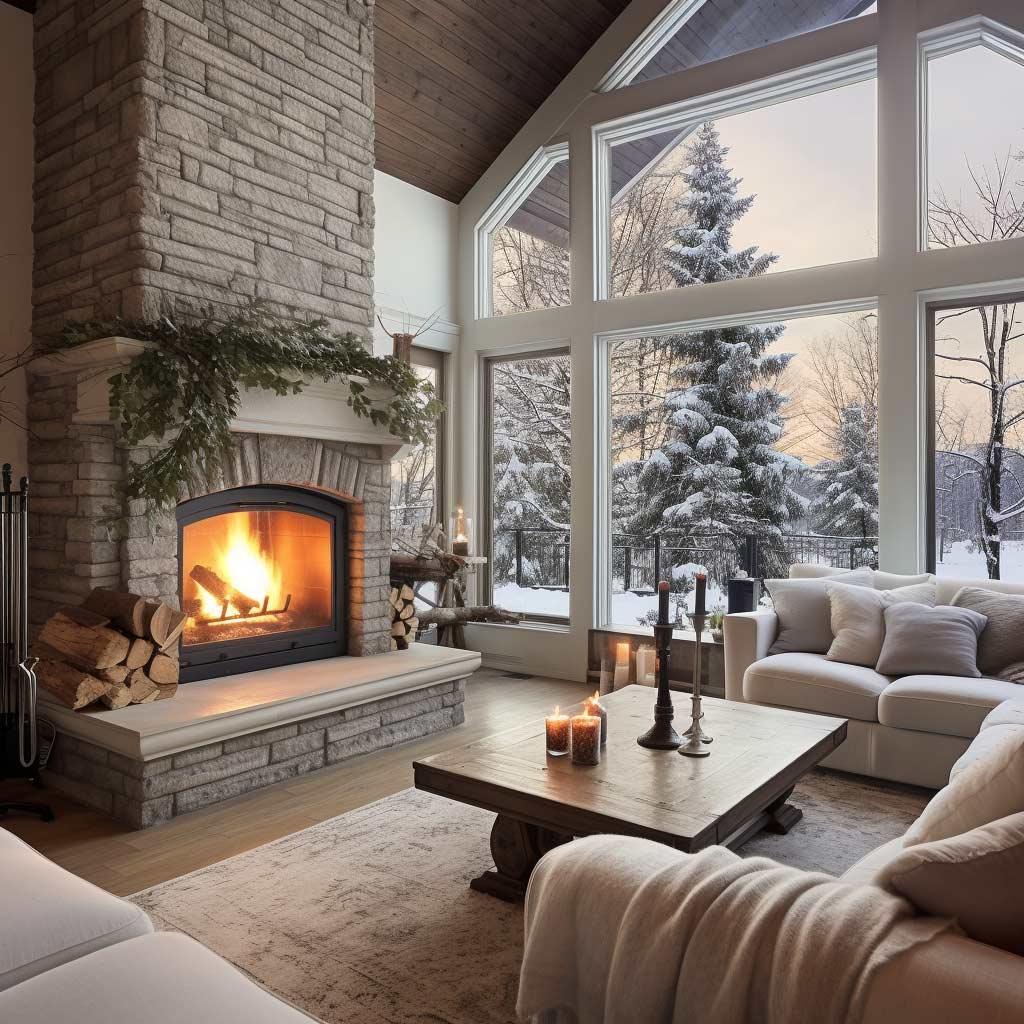
Choosing the right glass for your log burner can make a huge difference in your home's warmth and style. While you have options when selecting a glass type, a ceramic glass fireplace door is a top contender for a reason. It’s more than just a pretty face—though its warm, amber tint definitely adds a cozy vibe. This specialized glass offers key advantages that make it an ideal choice for fireplace owners looking for both beauty and performance. Understanding these benefits is the first step to making the best choice for your home.
Shop for your ceramic fireplace glass replacement here.
What is Ceramic Glass?
Ceramic glass, also referred to as pyroceramic, neoceramic, or robax glass, is a high-temperature glass that is designed to handle the extreme heat of up to 1470 degrees F (3/16" thick or 5mm).
Ceramic glass combines the qualities of glass and ceramic. The material is transparent, smooth, and formable like glass, but has a lower expansion rate, higher durability, and better heat resistance like ceramic. Ceramic glass is made stronger by a special thermal process. It does not crack or break at higher temperatures. With very low thermal expansion and high toughness, it can resist both thermal and impact shock.
This type of glass is not only used in ceramic glass fireplace doors but is used in a whole host of appliances such as cooking tops, grills, BBQs, smartphone screens, household appliances including toasters and clothes irons, and even used in biomedical engineering.
The Science Behind Its Strength
So, what makes ceramic glass so incredibly tough? It all comes down to a special thermal process it undergoes during manufacturing. This process creates a material with an extremely low coefficient of thermal expansion. In simple terms, this means that when the glass gets incredibly hot from your fire, it barely expands at all. Regular glass would expand significantly and likely crack under the intense, rapid temperature changes inside a wood stove. This unique property is what allows the glass to withstand constant temperatures up to 1470°F and prevents thermal shock—the stress a material endures when one area is much hotter than another. Because it remains so stable, it can handle the intense heat of a roaring fire just inches away from the cooler room temperature on the other side, which is why we use it for all our custom-cut glass replacements.
Why Choose Ceramic Glass for Your Fireplace?
Due to the extreme heat that wood stoves produce, regular glass can crack and shatter. Ceramic glass is designed to withstand extreme temperatures, making it the ideal material for indoor stoves. Not only does ceramic glass provide safety benefits due to its resistance to extreme heat, but it also gives a clear view of the fire—allowing homeowners to enjoy their fireplace with an uninterrupted view.

Understanding Other Types of Fireplace Glass
While ceramic glass is the gold standard for high-heat appliances, it’s not the only type of glass you’ll encounter when dealing with hearths. Understanding the alternatives is key to making a safe and informed decision for your specific setup. The two other common types are tempered glass and borosilicate glass. Each has a distinct manufacturing process and, more importantly, a different tolerance for heat. Choosing the right one isn’t just about performance; it’s a critical safety measure. Let's look at what makes these glass types different and where they can—and absolutely cannot—be used in your home.
Tempered Glass
You’ve likely heard of tempered glass, as it’s used in everything from car windows to shower doors. It’s a type of safety glass made by heating standard glass and then cooling it very quickly. This "tempering" process makes it about four times stronger than regular glass. However, its strength is for impact, not for extreme thermal stress. Tempered glass can only withstand temperatures up to about 400-500°F. This makes it suitable for the outer doors of some open-hearth fireplaces, where the glass is shielded from the direct, intense heat of the flames, but it is completely unsafe for sealed wood or coal stoves.
A Critical Safety Warning for Wood Stoves
Using the wrong type of glass in your wood stove is incredibly dangerous. Because tempered glass cannot handle the high temperatures generated inside a wood-burning stove, it can crack, shatter, or even explode when exposed to that level of heat. This poses a significant risk of fire and injury. Never substitute tempered glass for ceramic glass in an appliance that requires high-temperature glass. The integrity of your stove and the safety of your home depend on using the correct material for the job.
Borosilicate Glass
Borosilicate glass is another type of thermal-shock-resistant glass, often found in science labs and high-end kitchenware (like Pyrex). In the hearth world, it’s typically used for gas fireplaces and some modern, factory-built fireboxes where the heat is more controlled and predictable than in a wood stove. Its ability to handle sudden temperature shifts helps prevent it from cracking, ensuring a long lifespan in the right application. While it is more heat-resistant than tempered glass, it still does not match the extreme temperature tolerance of ceramic glass, making it unsuitable for wood-burning inserts and stoves.
Ceramic vs. Tempered Glass: A Direct Comparison
When it comes to replacing the glass in your wood stove, the choice almost always comes down to ceramic versus tempered glass. While they might look similar at a glance, their properties are worlds apart, and understanding these differences is crucial for safety and performance. The right choice depends entirely on your appliance. For a wood stove, there is only one safe option. For an open fireplace, you might have a choice. Let’s break down how these two materials stack up against each other in the categories that matter most: heat resistance, durability, appearance, and cost.
Heat Resistance
The most critical difference between the two is heat resistance. Ceramic glass is engineered to withstand continuous, extreme temperatures up to 1400°F, making it the only safe and suitable material for the doors of wood stoves, inserts, and coal stoves. This is where the fire is contained and heat is most intense. Tempered glass, on the other hand, fails at temperatures above 500°F. It simply cannot handle the thermal load of a wood fire and will break. This fundamental difference means ceramic glass is for direct-contact heat, while tempered glass is for applications far from the flames.
Durability and How They Break
Beyond heat, the way these glass types break is a key safety feature. When tempered glass fails, it shatters into thousands of tiny, pebble-like pieces. This is by design, to reduce the risk of injury from large, sharp shards in applications like a side window of a car. However, in a fireplace, this means the fire is no longer contained. Ceramic glass behaves differently. If it breaks from a severe impact, it typically cracks or breaks into larger pieces, which are more likely to stay in the door frame and keep the fire safely inside the stove.
Appearance and Clarity
Visually, you can often tell the two apart. Tempered glass is perfectly clear, just like a standard window in your home. It offers an unobstructed view without any color distortion. Ceramic glass, due to its unique composition, usually has a slight amber or yellowish-brown tint. This is a natural characteristic of the material that allows it to handle such high heat. While it has a subtle hue, it doesn’t obscure the view of the flames, still providing that cozy, clear view of the fire that everyone enjoys on a cold evening.
Cost
There is a significant price difference between the two materials, which reflects their manufacturing process and capabilities. Ceramic glass is more expensive because it is a specialized material designed for a very demanding job. Tempered glass is more common and less costly to produce, so it is a more budget-friendly option. However, this is one area where you can't make a decision based on price alone. The higher cost of ceramic glass is a necessary investment in the safety and proper functioning of your wood stove. Opting for a precise custom cut also ensures a perfect, safe fit for your specific appliance.
What Makes Ceramic Glass a Smart Choice?
Enjoy a More Efficient Fire
Wood stove ceramic glass is a poor conductor of heat compared to traditional glass. It helps to retain heat within the combustion chamber, allowing the stove to operate at higher temperatures and increasing overall efficiency - keeping your house lovely and warm throughout colder seasons.
A Safer Way to Enjoy Your Fire
Wood stove ceramic glass can improve safety in many ways:
- The transparency of ceramic glass allows users to monitor the fire inside the stove without opening the door. This helps in avoiding unnecessary exposure to smoke and sparks that might be released when the door is opened.
- The ability to see the fire through the ceramic glass enables users to control the combustion process more effectively. This control helps in preventing over-firing, reducing the risk of damage to the stove and potential safety hazards.
- A well-designed wood stove with ceramic glass contributes to more efficient combustion, producing fewer emissions. This is not only environmentally friendly but also reduces the risk of harmful substances being released into the indoor air.
- Wood stove ceramic glass is designed to withstand high temperatures without shattering. This is crucial for applications like wood stoves where the glass is exposed to intense heat from the flames. Traditional glass might not be able to withstand such high temperatures, posing a safety risk.
Breathe Easier with Cleaner Air
Unlike traditional open fireplaces that release smoke and potential pollutants directly into the room, Wood stove ceramic glass doors help control the emission of combustion by-products. This controlled release minimizes the impact on indoor air quality.
Simple Cleaning and Maintenance
Regularly using a high-quality fireplace glass cleaner can benefit the efficiency of your wood stove. The cleaning process is incredibly simple and can prolong the life of your ceramic glass doors. You can watch our handy ceramic glass cleaning video here.
Get a Clear View of the Flames
Any indoor space can be improved by the elegant and modern ceramic glass fireplace doors. The sleek, transparent design lets the flames show from any angle, adding beauty to any room. Ceramic glass doors also come in various shapes and sizes and can even be custom-cut to your size requirements.
A Perfect Fit for Any Stove
Ceramic glass fireplace doors are designed to fit into many existing wood stoves. They can be easily installed using basic tools and without the need for professional help. This makes it a great choice for DIYers who want to upgrade their fireplaces without spending too much money on hiring a contractor.
You can view our handy fireplace glass fitting guide here.

Can Ceramic Glass Fireplace Doors Crack?
Ceramic glass can experience damage due to improper fitting and using improper cleaning materials.
The best thing to clean your glass fireplace doors is specialized, high-quality fireplace glass cleaner and by using the correct techniques. Using specialized fireplace glass cleaner will avoid damage to the surface of the glass and avoid the glass from pitting and failing over time.
Ceramic glass can handle high temperatures, but the metal woodstove expands when heated. If the glass is installed too tightly, it gets trapped by the metal. The glass does not expand with the metal, and it cracks or shatters. A correct fitting procedure can prolong the life of your fireplace glass replacement.
Maintaining Your Fireplace Glass
Signs It’s Time for a Replacement
Keeping an eye on your fireplace glass is a key part of routine maintenance. It’s a good practice to inspect it every year before you start using your stove for the season. Look closely for any signs of wear and tear, such as small cracks or chips, which can compromise the glass's integrity and become a safety hazard. You should also watch for discoloration, warping, or persistent fogging that doesn't clear up after cleaning. These are all indicators that the glass is weakening and may not be able to handle the high heat of your fire safely. Catching these issues early and finding a quality replacement glass panel ensures you can continue to enjoy your fireplace safely and efficiently.
Choosing the Right Glass for Your Appliance
When it's time for a replacement, getting the right type of glass is critical. Your wood stove or high-efficiency fireplace insert produces intense heat, often exceeding 500°F. For these applications, you absolutely need ceramic glass. It's specifically engineered to withstand extreme and sustained temperatures without cracking or shattering, which is why it's the industry standard for indoor stoves. Using the wrong type, like standard tempered glass, in a high-heat environment is incredibly dangerous as it can break. If you're unsure what your appliance requires, ceramic glass is the safest and most reliable choice for any wood-burning unit, giving you a clear, safe view of the flames.
A Note on Professional Installation
While many homeowners are comfortable replacing their fireplace glass themselves, it's worth considering professional installation. A certified glass technician has the experience to ensure the new panel is installed correctly and safely. The most common reason ceramic glass breaks prematurely is due to an improper fit—if it's too tight in the metal frame, it can't expand with the heat and will crack under the pressure. A professional will make sure there's just enough room for thermal expansion and that the gasket is seated correctly, creating a perfect seal. For peace of mind and to protect your investment, having a pro handle the installation is always a smart option.
Is a Fireplace Glass Replacement Expensive?
A fireplace glass replacement can be expensive depending on the type and size of glass needed. However, ceramic glass is an energy-efficient investment that is an affordable option in the long run. The many advantages of ceramic glass fireplace doors will help you reduce energy costs, minimize emissions, and increase the efficiency of your wood stove. Prices can range anywhere from a few hundred dollars to a few thousand dollars for standard-size or custom-cut, high-quality fireplace glass. Contact Woodstove Fireplace Glass for an accurate quote.
How to Order Custom Ceramic Glass Online
For all your heat-resistant glass needs, trust Woodstove-FireplaceGlass. We offer the biggest selection of glass for wood, pellet, and coal stoves, and we can tailor ceramic glass to suit any antique stove. Our goal is to work with every customer to find the perfect glass for their needs so contact us today if you have any issues during the checkout process!
Getting the Right Size and Thickness
Getting the measurements right is the most critical step in ordering replacement glass. An improper fit can lead to cracks or poor efficiency. Before you order, carefully measure the height, width, and thickness of your existing glass. For thickness, our ceramic glass is available in 3/16" (5mm), which is the standard for most wood stoves and can withstand continuous temperatures up to 1470°F. When measuring, remember to allow for a small gap (about 1/8 inch) around the edges for expansion. This space is essential because the metal frame of your stove will expand with heat, and without this buffer, it could put pressure on the glass and cause it to break. We make it easy to order custom-cut glass directly to your specifications, ensuring a perfect and safe fit for your appliance.
Ordering Custom Shapes with a Template
Not all wood stoves have a simple rectangular window. If your fireplace or stove features glass with arches, curves, or unique angles, getting an exact replacement can feel tricky, but it doesn't have to be. The most reliable way to ensure a perfect fit for a custom shape is to create a template. You can do this by carefully tracing the outline of your old piece of glass onto a sheet of paper or cardboard. This physical template removes all guesswork and allows us to cut your new ceramic glass with precision. Sending us a template guarantees that the replacement piece will match the exact dimensions and contours of your stove door, providing a seamless and secure installation for even the most intricate designs.
Choosing an Edge Finish
Once you have your measurements, consider the edge finish. For most wood stove and fireplace applications, the edges of the glass are hidden by the door frame and a gasket. In these cases, a standard "seamed" edge is all you need. A seamed edge means the sharpness has been lightly sanded off to make it safe to handle, but it isn't a decorative, polished finish. Since it won't be visible, there's no need for anything more elaborate. This is the standard and most cost-effective option that works perfectly for the vast majority of installations. If your design happens to have exposed glass edges, a more polished finish might be desirable, but for a typical replacement, the seamed edge is the practical choice.
With a wide range of standard-sized glass or custom-cut fireplace glass, we are sure to have what you are looking for. Shop here today!
Frequently Asked Questions
Why can't I just use cheaper tempered glass in my wood stove? Using tempered glass in a wood stove is extremely dangerous. Tempered glass is only rated to handle temperatures up to about 500°F, while a wood stove can easily get much hotter. When exposed to that level of heat, tempered glass can shatter, which would leave the fire uncontained and create a serious fire hazard in your home. Ceramic glass is the only material engineered to safely withstand the continuous, intense heat of a wood-burning fire.
My stove glass has a slight yellowish tint. Is that normal? Yes, that's completely normal and a good sign that you have the correct type of glass. The slight amber or yellowish hue is a natural characteristic of the material's composition, which is what allows it to handle such extreme temperatures. While it has a subtle color, it is still perfectly transparent and won't interfere with your view of the beautiful flames inside.
My last piece of ceramic glass cracked. Does that mean the glass was faulty? While a defect is possible, it's very rare. Most of the time, ceramic glass breaks for one of two reasons: a direct impact from something like a shifting log, or an improper installation. The most common installation error is fitting the glass too tightly in the door frame. The metal frame expands when it gets hot, and if there isn't a small gap for the glass, the pressure will cause it to crack.
How do I know when it's time to replace my stove glass? You should give your glass a quick inspection before you start using your stove each season. Look for any small cracks or chips, as these can compromise the glass's strength and become a safety risk. Other signs that it's time for a replacement include any warping of the glass or persistent cloudy spots and discoloration that you can't remove with a proper glass cleaner.
Is it difficult to measure for a custom-cut piece of glass? Not at all, but it's important to be precise. The easiest way is to carefully measure the height and width of your old piece of glass. The most critical step is to remember to allow for thermal expansion. You should make your new piece about 1/8 of an inch smaller than the frame opening to give the metal room to expand with the heat. This small gap is the key to preventing pressure cracks and ensuring a long life for your new glass.
Key Takeaways
- Prioritize safety with the correct glass type: Ceramic glass is essential for wood stoves because it handles extreme heat up to 1470°F. Tempered glass is completely unsafe for this use, as it can shatter at high temperatures and create a serious fire hazard.
- Prevent cracks with a proper installation: The most common reason new stove glass breaks is a fit that's too tight. Be sure to leave a 1/8-inch gap around the edges to give the glass room to expand with the metal frame, which prevents pressure cracks.
- Measure carefully for a perfect replacement: To get your custom-cut glass right the first time, precisely measure the height, width, and thickness of your old glass. For any unique curves or angles, tracing a template on paper is the best way to guarantee an exact match.