 Free shipping for all U.S. orders over $100


Quick Summary
Wood stove maintenance is the routine inspection and cleaning that keeps a stove burning safely and efficiently, and skipping it is how small problems become chimney fires. Work through it in three windows: before the season, during it, and after it.
- If you suspect a chimney fire, get everyone outside immediately and call 911 from outside. Don't use the stove again until a qualified professional has inspected it.
- Schedule an annual professional inspection and cleaning, and follow your stove's manual for model-specific maintenance intervals.
- Have a qualified chimney professional check the flue and cap for blockages and loose joints before the first fire.
- Test the door gasket by closing the door on a sheet of paper; if it slides out easily, replace the gasket.
- Clean behind the baffle or throat plate as needed, following your stove's manual for the recommended interval.
- Dispose of ash in a covered metal container, and store that container outdoors away from the house and other structures.
Table of Contents
- Why Wood Stove Maintenance Matters Before Every Burning Season
- Pre-Season Wood Stove Annual Inspection Checklist
- Mid-Season Wood Stove Cleaning and Maintenance Tasks
- Wood Stove Gasket Replacement: Signs, Steps, and Materials
- Wood Stove Chimney Cleaning Schedule by Usage Level
- Safety Warning Signs and When to Stop Using Your Stove
- Scheduling Your Post-Season Care and Parts Order
- Frequently Asked Questions
Why Wood Stove Maintenance Matters Before Every Burning Season
Skipping routine maintenance is how small problems on a wood stove become chimney fires. Schedule an annual professional inspection and cleaning, clean as needed between visits, and follow your stove's manual for model-specific maintenance intervals EPA's wood-burning maintenance guidance.
Think of maintenance as three windows: before the season, during it, and after it. Each window catches different wear. Pre-season checks find damaged seals and blocked flues before you need heat. Mid-season cleaning keeps creosote and ash from building up. Post-season care lets you assess what held up and order parts before the next rush.
Pre-Season Wood Stove Annual Inspection Checklist
Start the annual inspection with the stove completely cold and the ash removed. Schedule a full professional inspection and cleaning every year, and clean as needed between visits. Follow your stove's manual for model-specific maintenance intervals Wood Stove Maintenance: Annual Safety Care Guide.
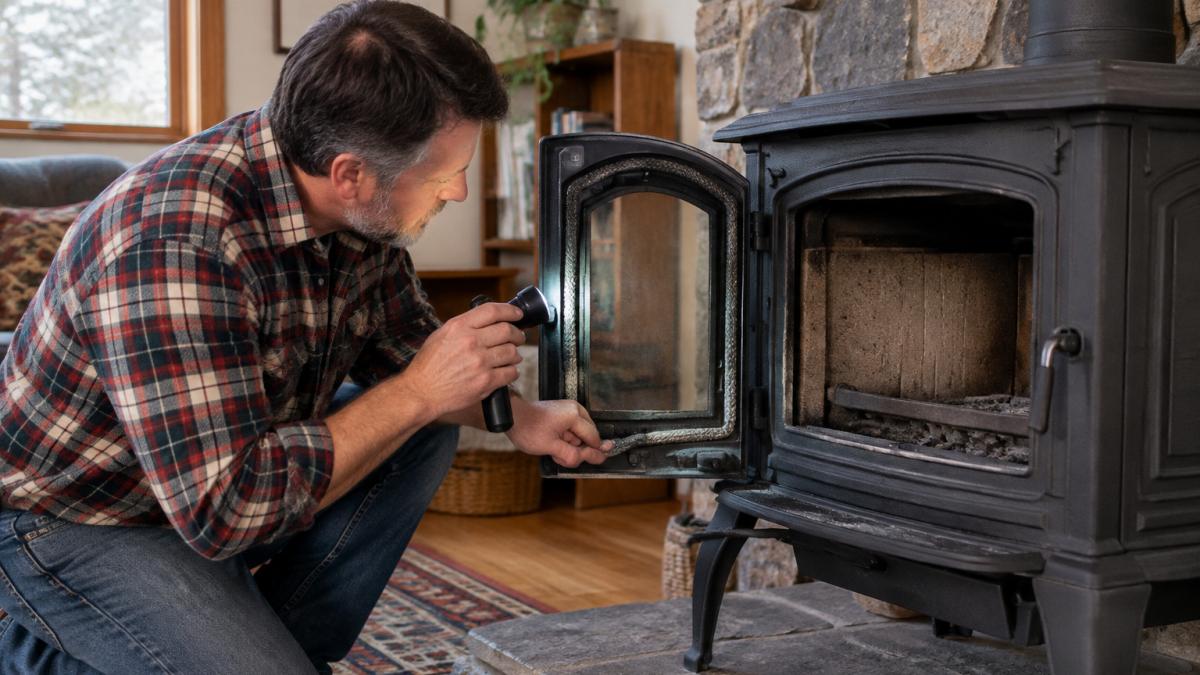
- Inspect the door gasket for flattening, tears or gaps.
- Confirm the door latches and seats tightly against the frame.
- Look over the firebox for cracks, separated joints and warping.
- Check the firebricks for chips, cracks or missing pieces.
- Test the air controls to confirm they open and close fully.
- Inspect the baffle and air tubes for buildup or warping.
- For catalytic stoves, inspect the combustor for clogging or damage.
Don't wait for creosote to build up before scheduling a sweep. Have the flue professionally inspected and cleaned annually, and cleaned as needed between visits. A clean flue is the single biggest factor in preventing chimney fires.
Verifying Door Gasket Seal and Draft
A worn gasket leaks air, which makes the fire burn hotter and faster than you intend and wastes wood. To test the seal, close the door on a sheet of paper. If the paper slides out easily, the gasket is no longer compressing properly.
Stove-Type Differences: Catalytic vs. Non-Catalytic
Catalytic and non-catalytic stoves have different service needs. A catalytic stove has a combustor that can clog with ash and creosote, so it needs inspection and cleaning according to the model manual, and a damaged combustor should be replaced rather than run. Non-catalytic stoves rely on baffle and air-tube airflow, so those parts need brushing and checking for warping. Always check the model manual for the manufacturer's service intervals, since a general checklist cannot cover every design.
When to Stop Using the Stove
If you suspect a chimney fire, get everyone outside immediately and call 911 from outside. Don't use the stove again until a qualified professional has inspected it.
Stop burning and let the stove cool if you notice cracks in the firebox that glow or spread.
Watch out: Do not assume a stove is safe because it lights and burns; a failed gasket or cracked firebrick can look normal until the fire is hot.
The annual inspection covers eight components, and the article gives a clear trigger for when to run it.
| Component | What to check | Key note |
|---|---|---|
| Chimney flue and cap | Have a certified chimney sweep check for blockages, damage, loose joints | Schedule before the first fire |
| Door gasket | Flattening, tears, gaps | Paper test: paper should not slide out easily |
| Door latch | Seats tightly against frame | Confirm full seal |
| Firebox | Cracks, separated joints, warping | Stop use if cracks spread |
| Firebricks | Chips, cracks, missing pieces | Replace crumbling brick |
| Air controls | Opens and closes fully | Test before lighting |
| Baffle and air tubes | Buildup or warping | Brush clear of fly ash |
| Catalytic combustor | Clogging or damage | Replace if damaged, per manual |
Mid-Season Wood Stove Cleaning and Maintenance Tasks
Most checklists stop at an annual inspection. A stove that runs through the heating season needs a shorter loop of tasks tied to how often you burn, not just to the calendar. The schedule below separates tasks you do after each use, tasks you do monthly, and tasks you do as needed when a symptom shows up. Use it alongside the annual inspection, not instead of it.
Ash disposal: Store cooled ashes in a covered metal container, and keep the container outdoors away from the house and other structures.
After-Each-Use Tasks
- Let the fire burn down and the stove cool before you open the door for cleaning.
- Empty the ash pan before ash reaches the top of its capacity, since packed ash blocks airflow to the fire.
- Check the glass for heavy soot or creosote streaking; light haze is normal, but a dark, gummy film means the fire is running too cool or the wood is too wet.
- Confirm the door latches and seats without forcing it.
Ash disposal: Put ash in a covered metal container, and store that container outdoors, away from the house and other structures.
Monthly Tasks During the Burning Season
- Follow your stove's manual for baffle maintenance, since cleaning methods and intervals vary by model.
- Brush out the air tubes to clear fly ash and keep the secondary burn working.
- Inspect the firebricks for new chips or cracks and replace any brick that is crumbling.
- Wipe the glass with a stove-safe cleaner once the stove is cool.
- Look at the door gasket for flattening or tears and re-test the seal with the paper method.
Rather than a fixed interval, schedule an annual professional inspection and cleaning, and clean behind the baffle or throat plate as needed between visits. Check your stove's manual for model-specific maintenance intervals.
As-Needed Tasks and Symptom Triggers
- Clean the glass whenever it darkens enough to hide the fire.
- Replace the gasket when the paper test fails or the door feels loose.
Watch out: Do not clean the glass or reach into the firebox while the stove is hot; thermal shock can crack ceramic glass and the firebox steel.
Tools and Supplies for Mid-Season Work
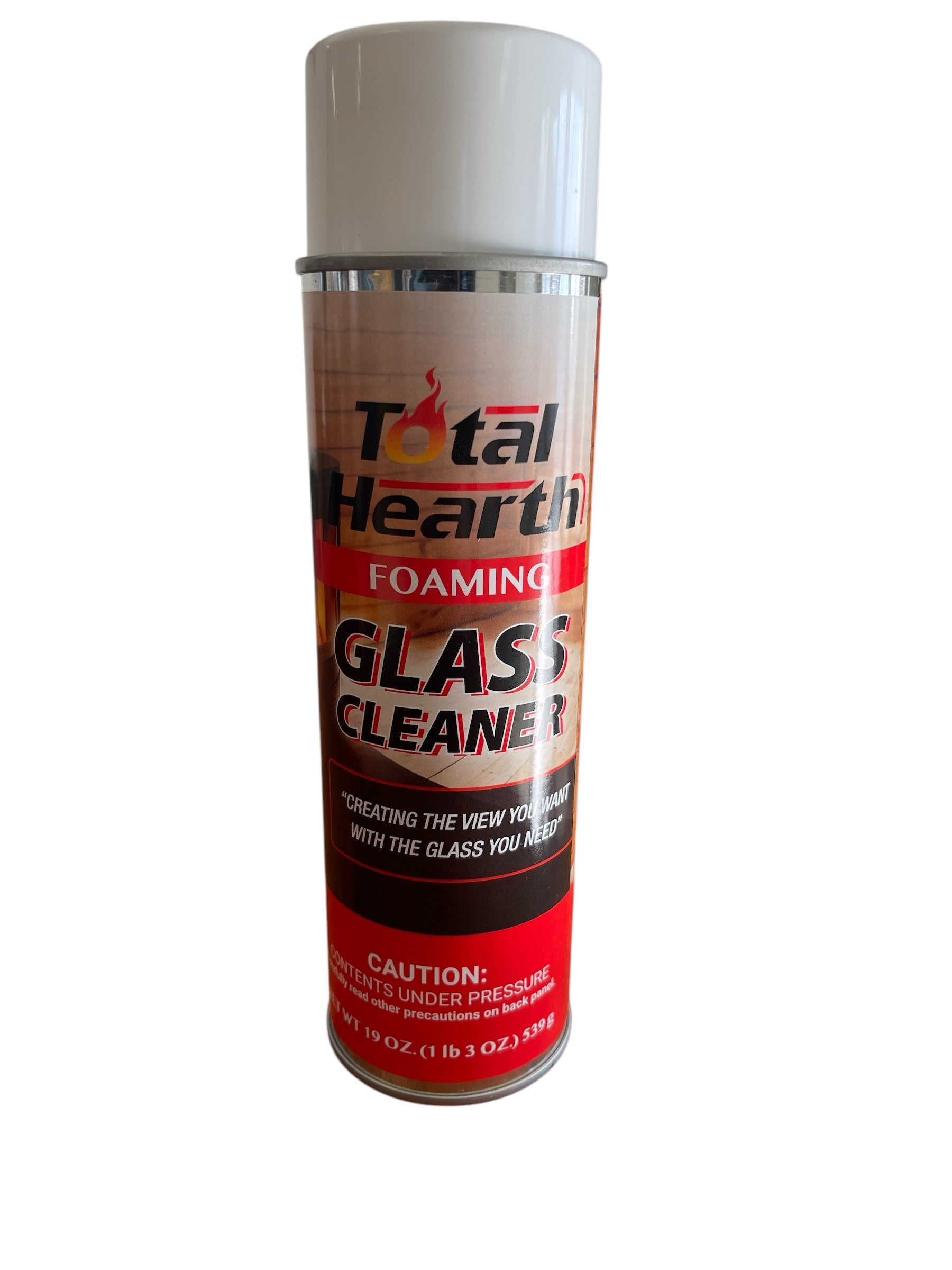
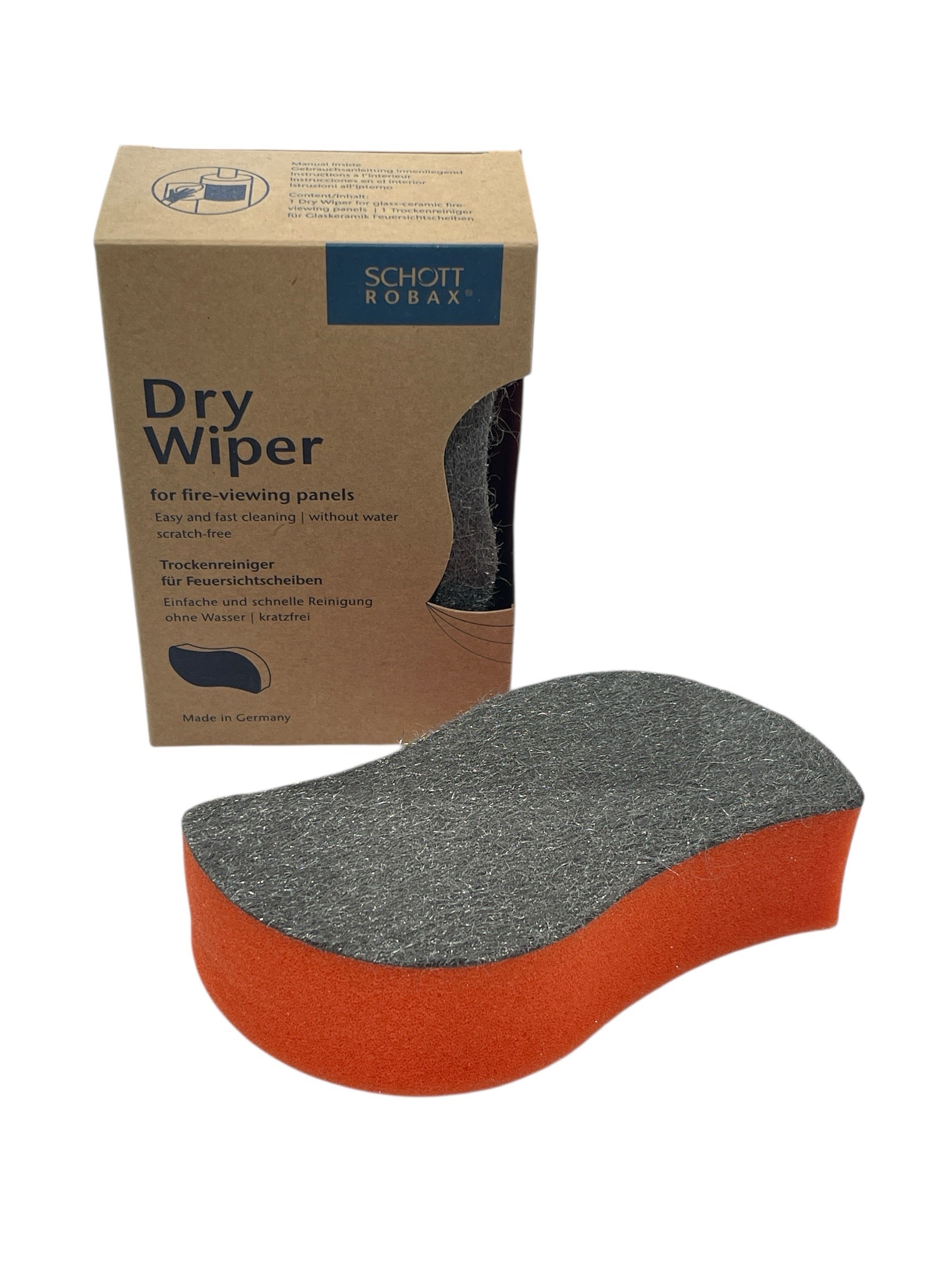
Keep a short kit near the stove: a stiff brush for the baffle and air tubes, a stove-safe glass cleaner, and a scraper for gasket channels. Total-Hearth Stove Glass Cleaner (19 oz foaming spray) is ammonia-free and clings to vertical surfaces, so it works well on soot without dripping. For a dry option, the Atmosfire Dry Wiper (model 7ADW) removes soot from ceramic glass without liquids.
Wood Stove Gasket Replacement: Signs, Steps, and Materials
Replace the door gasket when it is flattened, torn, brittle or no longer seals the door. A new seal restores heat output and cuts wasted fuel. Remove the old rope with a scraper, clean the channel, and apply a bead of high-temperature adhesive.
You can find more on the gasket materials on the American Energy Door Gasket Kit and Enviro Door Rope Gasket product pages linked from this section.
Wood Stove Chimney Cleaning Schedule by Usage Level
How often the chimney needs cleaning depends on how much you burn. A stove used lightly through a mild winter needs far less attention than one that runs every evening for months. Schedule an annual professional inspection and cleaning, with additional cleanings as needed for heavier use. Burning seasoned wood produces less creosote than burning damp wood, so moisture content matters as much as frequency. Check your stove's manual for model-specific maintenance intervals.
Safety Warning Signs and When to Stop Using Your Stove
If you suspect a chimney fire, get everyone outside immediately and call 911 from outside. Don't use the stove again until a qualified professional has inspected it. Smoke pouring into the room and a roaring or unusually hot flue are signs of a possible chimney fire. Stop burning and let the stove cool if you notice cracks in the firebox that glow or spread. Never throw water on a stove that is hot, since the sudden steam and temperature shift can crack it.
Scheduling Your Post-Season Care and Parts Order
Once the burning season ends, let the stove cool fully, clean out all ash, and complete a final inspection while the parts are visible. Dispose of ash in a covered metal container and store it outdoors, away from the house and other structures. Record what needs replacing, such as gaskets, glass or firebricks, and order before next autumn's rush. Total Hearth carries custom-cut ceramic glass, along with gaskets and other wood stove components, and serves customers nationwide. Shop the custom-cut ceramic glass collection and the rest of our wood stove maintenance parts at Total Hearth to have everything ready for next season.
Last Updated: November 19, 2026
Frequently Asked Questions
What maintenance needs to be done on a wood stove?
A wood stove needs a yearly professional inspection and regular owner tasks. Owners should clean the glass with a non-scratch ceramic cleaner such as the Atmosfire Dry Wiper, remove ash from the firebox and ash pan, check the door gasket for fraying or gaps, and inspect firebricks and the baffle for cracks. A full inspection once a year is a sound routine for most stoves. Keep the chimney swept and watch for creosote buildup throughout the season.
How often should a wood stove be cleaned and inspected?
A full inspection once a year is a sound routine for most stoves. Clean stove glass whenever soot builds up enough to hide the fire, and clean behind the baffle or throat plate as your use calls for.
What should I check before using my wood stove for the season?
Before the first fire of the season, check the door gasket for compression and gaps, and confirm the firebricks and baffle are intact and that air tubes are clear. Remove any ash left from last season and confirm the stove sits level and clear of combustibles. Have your chimney and cap inspected by a professional before first use each season.
How do I know when a wood stove gasket needs replacing?
Replace the gasket if it is flattened, frayed, hardened, missing sections, or no longer seals when the door is closed on a piece of paper. Smoke leaking from the door during burning, a hard-to-latch door, or air whistling around the seal are also signs of wear. Match the gasket profile, size, and adhesive to what your stove's manual specifies, and use a high-temperature gasket cement rated for stove use.
Can I use WD-40 on my wood-burning stove?
No. WD-40 is a petroleum-based product that can smoke, leave residue, and create odors when heated, and it is not designed for high-temperature stove surfaces. For cleaning stove glass, use a non-scratch ceramic cleaner or a foaming, ammonia-free stove glass cleaner made for fireplace glass. For sealing gaskets, use high-temperature gasket cement rated for stove use instead of lubricants.
What is the average lifespan of a wood stove?
A well-maintained wood stove can last many years, but component lifespans vary. Gaskets typically need replacement sooner than the stove body, often within a few seasons depending on use. Firebricks, baffles, and grates wear with heat cycles and should be inspected each year. Consistent annual inspection, timely part replacement, and proper wood moisture levels extend the working life of the entire appliance.
How often should my chimney be cleaned with a wood stove?
Chimney cleaning frequency depends on how much you burn. Schedule an annual sweep and inspection with a certified chimney professional, with additional sweeps as needed for heavy use. Check your stove's manual for model-specific maintenance intervals.
